
How to start collecting · Part 2 of 8
Blog · · 7 min read
How to start collecting, part 2: raw versus graded
What a grade is, what the graders charge in September 2026, why most of them are backed up, and the simple rule for when grading is worth it.
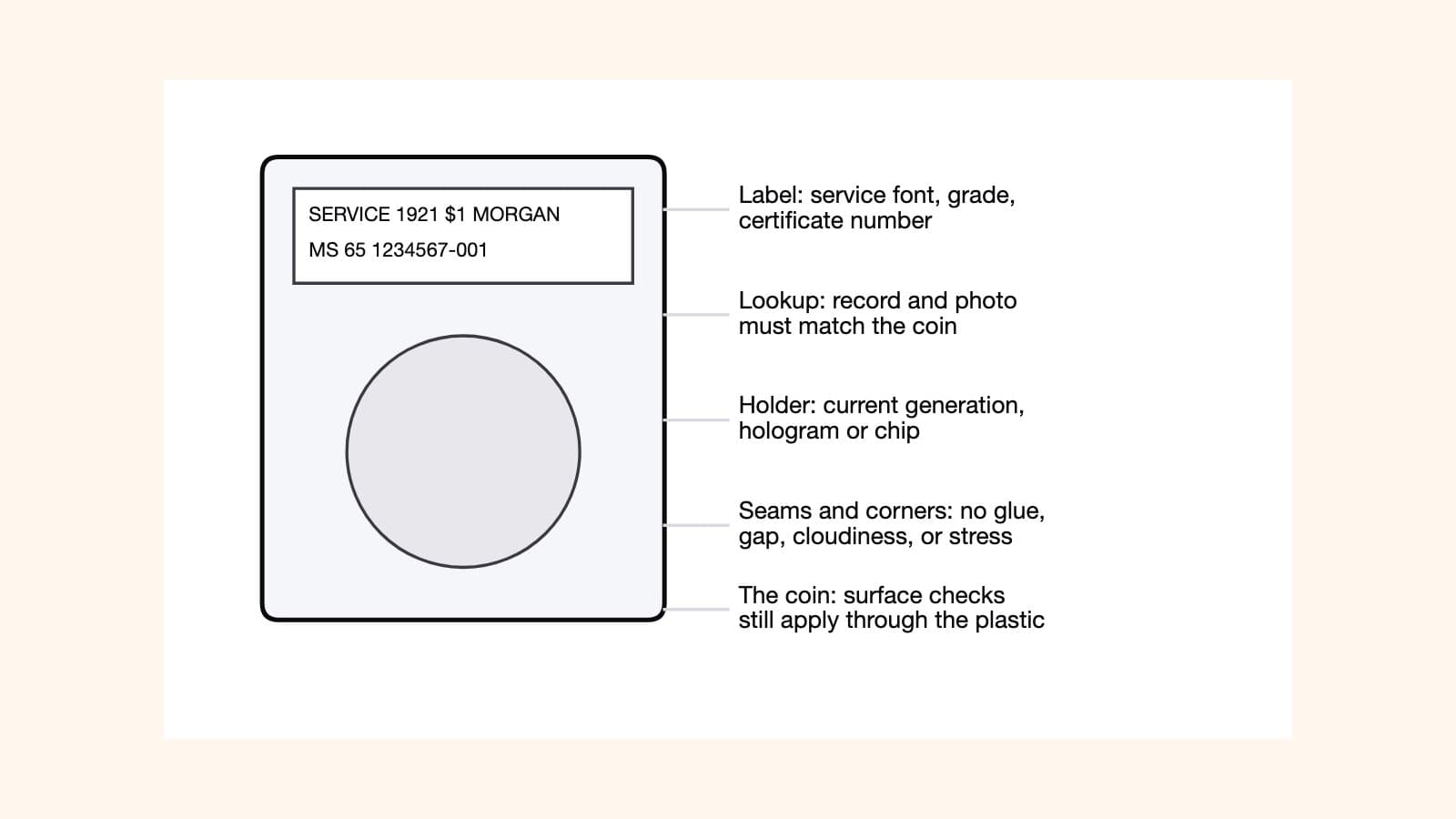
A raw card is the card as printed. A graded card has been examined by a grading company, assigned a numerical condition grade, sealed in a tamper-evident holder (the slab), and entered in that company's registry under a certificate number. The slab does three things at once: it authenticates, it fixes the condition in a number the market agrees on, and it makes the card easier to sell without an argument.
What grading costs right now
Prices and turnaround times change often and the graders publish them; these are the figures on their pages and in trade coverage as of September 2026. PSA raised prices in February 2026 and paused its four Value tiers on June 2, 2026 after its backlog passed ten million cards; the cheapest open PSA tier is Regular at $79.99 a card with a 40 to 50 business day estimate, and Express is $149. Beckett paused its Base and Standard tiers in August 2026 with Express open at $79.95. CGC Cards runs Bulk at $17 a card with a 25-card minimum and Economy at $20, both with a $500 to $1,000 declared value cap. SGC raised its entry price on September 2, 2026 to $50 for the Silver tier, with Economy at $20 on a roughly 180-day wait. TAG has its lower tiers paused and Priority at $149. For coins, PCGS Economy is $22 and NGC Economy is $20 before membership and shipping.
Read those numbers the way an investor would. Grading is a cost of holding, not a free upgrade, and it comes with a waiting period during which you cannot sell.
The rule for when to grade
- Grade when the graded price at the grade you expect exceeds the raw price by more than the fee, the shipping, and the wait, with room to be wrong about the grade.
- Grade when authentication is the point: vintage, high value, or anything you plan to sell to a stranger.
- Do not grade modern bulk hoping for a 10. The fee is the same whether the card comes back a 10 or a 7, and a 7 on a modern card is often worth less than the raw card was.
- Do not send cards during a pause. A card in a queue is capital you cannot touch.
What the number means
PSA, SGC, CGC, and TAG grade on a 10-point scale with half points at some graders; Beckett adds subgrades for centering, corners, edges, and surface. A 10 is not a fixed physical standard across companies, which is why the same card can carry different grades from different graders and why the market prices each company's 10 differently. The population report, covered in part 3, tells you how rare a grade is for that card.
Do this week
- Pick one raw card you own and find the sold prices for it raw and at two grades.
- Subtract the current grading fee for the cheapest open tier at the grader whose slabs sell best in your lane.
- If the answer is not clearly positive, keep it raw and keep it protected.
Next: part 3, how to read a slab.
Not financial advice. Collectibles are illiquid and can lose value. Prices and grading fees quoted are as published on the dates named and change often.